
Understanding Gastric Sleeve Surgery: A Comprehensive Guide
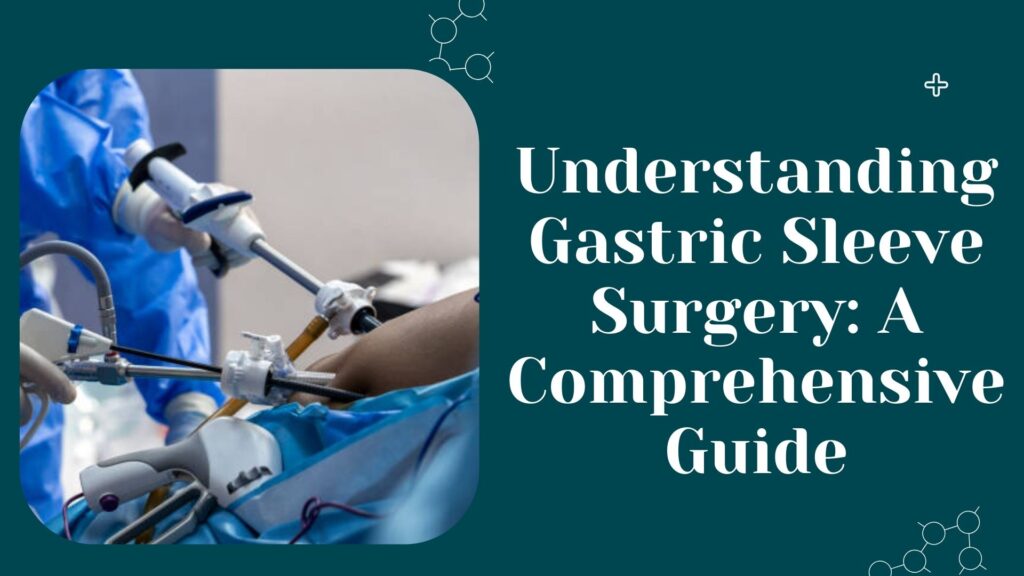
What is Gastric Sleeve Surgery? Gastric sleeve surgery, or sleeve gastrectomy, is a weight loss surgery where doctors remove about 80% of your stomach. What’s left is a thin, tube-like sleeve. Since your stomach is now much smaller, you can’t eat as much, and you feel full a lot faster than before. This change isn’t reversible, but it helps people lose weight by naturally limiting how much food they can eat. How the Gastric Sleeve Procedure Helps With Weight Loss Gastric sleeve surgery isn’t just about shrinking your stomach. Sure, your stomach ends up a lot smaller, but the real magic happens with your hunger hormones. After surgery, most people feel full faster and stay satisfied longer. That’s because the procedure lowers the levels of hormones that drive hunger, so you don’t crave food the way you used to. With your stomach holding less, smaller meals become your new normal. Suddenly, what you eat matters even more. Junk food can still do damage, no matter the portion. That’s why it’s so important to go for meals loaded with nutrients, especially protein. Eating well helps your body recover, keeps your muscles strong, and gives you the best shot at staying healthy after surgery. The Weight Loss Journey How Much Weight Can You Lose? After gastric sleeve surgical treatment, many sufferers enjoy good-sized weight loss. On average, individuals lose around 60% to 70% in their extra frame weight. However, results can vary from man or woman to another. Your fulfillment largely depends on your dedication to long-term lifestyle changes, including healthy eating habits and regular physical activity. The steadier you are with these modifications, the better your basic outcomes are likely to be. How Does Weight Loss Happen After Gastric Sleeve Surgery? Weight loss after the manner takes place steadily over time. At the start, patients are regularly aware of fast weight reduction because the smaller stomach limits food consumption and reduces calorie intake. As the frame adjusts to new eating habits, the rate of weight loss may slow. Long-term achievement relies upon keeping a balanced weight loss plan and incorporating regular exercise into daily life. A protein-rich weight-reduction plan is especially crucial to guide restoration, keep muscle groups, and promote consistent weight reduction. Regular physical activity no longer simply enables weight management but additionally improves overall health. Staying influenced, maintaining a high-quality mindset, and having assistance from one’s own family, buddies, or healthcare experts can also make a big distinction all through this life-changing journey. How Long Do the Effects of a Gastric Sleeve Last? Gastric sleeve surgery completely reduces the dimensions of the belly, making it a long-term tool for weight reduction. While many patients experience the most major weight loss in the course of the first few years, preserving those consequences calls for ongoing dedication. Following a healthful diet, staying physically active, and making aware lifestyle choices are critical for long-term success. Comparing Bariatric Surgeries Bariatric Sleeve Surgery Gastric sleeve surgical treatment is considered one of the simplest and easiest bariatric methods. During this surgery, a large portion of the stomach is eliminated, leaving a slim, sleeve-shaped stomach. Unlike some other weight reduction surgeries, this procedure does not involve changing or rerouting the intestines. Because of this, the gastric sleeve surgical operation is generally much less complex and might have a lower risk of complications with a shorter recovery duration. What Is the Difference Between Gastric Sleeve and Gastric Bypass Surgery? Both gastric sleeve surgical treatment and gastric bypass surgical treatment are designed to assist significant weight reduction, but they work in one-of-a-kind ways. Gastric bypass surgery entails growing a small pouch from the stomach and connecting it without delay to a portion of the small intestine. This procedure is not the most effective in reducing food consumption; however, it also limits calorie absorption. Although gastric bypass may additionally lead to greater weight reduction for a few sufferers, it’s far a more complicated process and may contain an extended recovery and greater danger of complications. On the other hand, gastric sleeve surgery focuses in particular on decreasing the size of the belly without converting the digestive pathway. This makes it a less invasive alternative that still presents effective weight loss by prescribing how much food the stomach can absorb. Conclusion To conclude, a gastric sleeve operation represents an effective means to treat morbidly obese patients. The procedure decreases the size of the stomach as well as alters one’s feeling of hunger (due to how it impacts hunger hormone levels), thus creating a significant amount of overall weight loss while encouraging all individuals who have undergone the procedure to lead a healthier lifestyle. As such, with a proper food and lifestyle change, everyone can produce a long-term success story and use a gastric sleeve operation as a stepping stone to achieve overall health and quality of life.
Medical Weight Loss Programs: What They Are and How They Work

Losing weight is really tough, especially when you try things like dieting and exercise, and they do not work for long. This is where medical weight loss programs provide a structured and effective solution. These programs are designed to help you lose weight healthily with the help of a doctor and other medical professionals. If you are looking for weight loss in Baton Rouge, it is an idea to learn about medical weight loss programs. This will help you make a decision that’s good for your health and the way you live. What Is a Medical Weight Loss Program? A medical weight loss program is a plan supervised by a doctor to help you lose weight safely. This plan is made for you, based on your medical history, your body, and your goals. It is not like a fad diet or a generic exercise plan. In a professional weight loss clinic, Baton Rouge doctors and other experts work together to make a plan that’s right for you. The goal is not just to lose weight but to be healthy for a long time. How Medical Weight Loss Programs Work Medical weight loss programs have a lot of parts that work together to help you lose weight. Here is how they usually work: Initial Medical Evaluation The first step is a health check. This includes: Body mass index calculation Blood tests Review of history Lifestyle and eating habits analysis This evaluation helps figure out if there are any underlying health issues that may be affecting your weight, like hormonal imbalances or thyroid problems. Personalized Weight Loss Plan After the evaluation, a plan is made for you. This may include: A diet plan that is tailored to your needs Exercise recommendations Therapy to help you change your behavior Medication, if you need it For people looking into weight loss in Louisiana, this personalized approach is better and safer than a one-size-fits-all plan. Nutritional Guidance What you eat is really important when you are trying to lose weight. Medical programs focus on: Eating the number of calories Controlling the amount of food you eat Choosing foods that’re good for you Developing eating habits that you can keep up for a long time Instead of extreme dieting, patients are taught how to make healthy food choices that they can stick to. Physical Activity Support Exercise is also really important. Depending on how fit you are, the program may include Low-impact workouts Strength training Cardio routines The goal is to help you get in shape without getting hurt or burned out. Behavioral and Lifestyle Changes One of the things about medical weight loss programs is that they help you change your behavior. This includes: Figuring out why you eat when you are emotional Learning how to manage stress Getting sleep Building habits that you can keep up for a long time. Medical weight loss programs like the ones in the weight loss clinic in Baton Rouge are an option for people who want to lose weight safely and healthily. Advanced Treatments Sometimes doctors will give you medicine that is approved by the FDA to help you lose weight. This medicine does things. It helps by reducing your appetite. It controls your food cravings. Some clinics will also give you treatments like hormone therapy, or they will test your metabolism to help you lose weight better. Regular Monitoring and Support What makes medical weight loss programs different is that you get support all the time. When you are in one of these programs, you get to see the doctor a lot. You get to track the progress you are making. The doctor will make changes to your plan if you need it. You also get motivation. Help to stay on track. This helps you stay safe and lose weight the right way. Benefits of Medical Weight Loss Programs If you go to a weight loss clinic in Baton Rouge, you will get benefits. You will be safe because a doctor is helping you. Your plan will be made for you and your body. This means you will lose weight and keep it off. You will also be healthier in the run. Losing weight can help you not get sick with things like diabetes or heart disease. Who Should Consider Medical Weight Loss? You should think about weight loss if you are overweight. If you have trouble with your weight and you have tried to diet but it did not work, then you should think about this. If you have health problems because of your weight, then you should think about weight loss. If you want to lose weight in a way, then you should talk to a doctor about medical weight loss programs in Baton Rouge. Common Myths About Medical Weight Loss Some people think that medical weight loss is for people who are very overweight. That is not true. Medical weight loss is for anyone who needs help losing weight. Some people think that you will lose weight. That is not true. These programs help you lose weight slowly and in a healthy way. Some people think that medical weight loss is about taking medicine. Tips for Getting the Best Results from Medical Weight Loss. To achieve the best results from a medical weight loss program, patients must adhere to their physician’s recommendations and consistently attend follow-up visits. You have to be honest with the doctor about what you’re eating and what you are doing. You have to be patient and trust the doctor. You have to think about being healthy, not just losing weight.